The Benefits of Adolescent Group Therapy: Learning and Growing Together
Adolescent social skills groups are designed to help young people build confidence and develop the tools they need to feel more comfortable and successful in social settings. At Project SAFE, we have also seen the group setting provide a safe foundation for teens or young adults who may be hesitant to start out with individual therapy.

AI Exposure and Teen Mental Health: Confronting Deepfakes and Chatbot Addiction
“Research is coming out showing kids have fewer social skills, fewer friendship skills,” says Gayle Alexander, licensed professional counselor and owner/clinical director of Project SAFE. “Language and linguistic skills are down; things like reading a room and understanding a conversation are all down, because they’re doing everything through a screen.”

Voyage Virginia Magazine: Meet Gayle Alexander of Project SAFE
I am a therapist who works with children, teens, young adults, parents and families. My practice runs group therapy for kids, teens and young adults. This is one powerful strategies that helps connect people so they learn they are not alone, learn to manage uncomfortable feelings and connect with others. Our motto is you are not broken and that you are able solve your problems if you lean into the process. It is a great honor to help families and individuals find peace and healing.

Fulfillment Therapy: The Hidden Cost of Avoiding Discomfort
In this podcast episode, Gayle Alexander explores how emotional regulation, mindfulness and embracing discomfort can help empower families and build resilience.

Leaders of Today: From Teens To Titans
Lorraine and Gayle discuss the growing rise in teen anxiety and explore how parents can support their children while still fostering independence, confidence, and self-trust.

Do You Want the Truth Podcast: Executive Function in Teens
In this podcast episode, Gayle breaks down what today’s teens are up against, from social media pressure and sleep deprivation to anxiety, vaping, and the constant pull of smartphones.
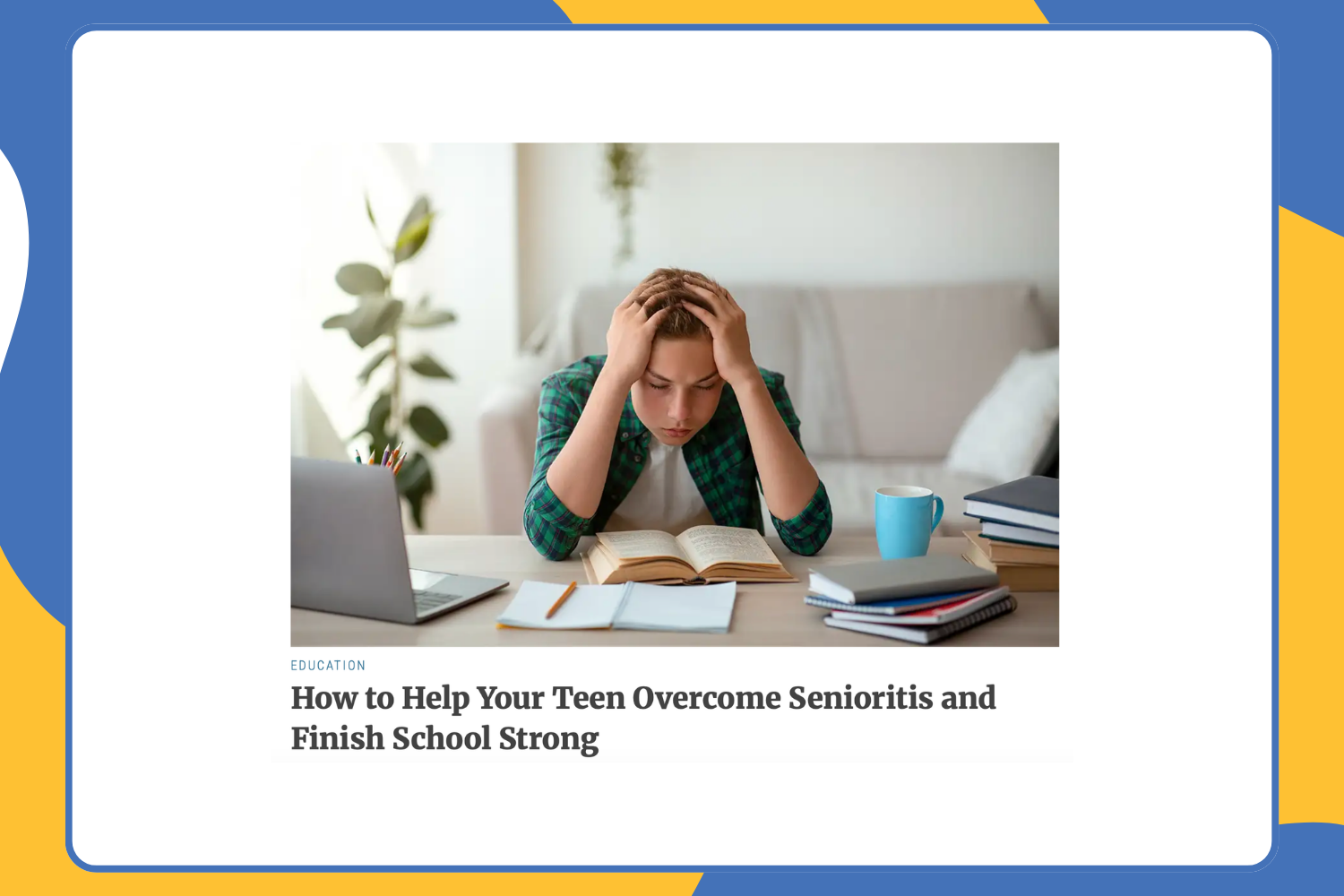
How to Help Your Teen Overcome Senioritis and Finish School Strong
Understanding sudden behavioral changes in teens, especially as it relates to academics.

Strategies for the family and how empowerment is a cornerstone to the therapeutic process.
From the POV of Gayle Alexander, Project SAFE owner and clinician, she describes her journey to becoming a therapist as well as the development of the practice philosophy- providing strategies for the family as a whole and how empowerment is a cornerstone to the therapeutic process.

Fueling Teen Success: The Power of Forgotten Basics
Teens are far more likely to adopt habits they consistently see. Keeping nutrient-dense foods available at home, sitting down for meals when possible, and demonstrating balanced eating behaviors all help normalize these choices.
Supporting teens through emotional challenges
The conversation explores how therapy, family involvement, and compassionate guidance can help young people feel seen and supported while equipping parents and caregivers with practical tools to strengthen relationships and navigate difficult moments together.
Understanding Senioritis
As the school year winds down after spring break, many parents observe behaviors that can likely be attributed to “senioritis”- a drop in motivation that often reflects burnout and the emotional weight of upcoming life transitions rather than simple laziness. During this time, teens are balancing academic responsibilities while also processing major changes such as graduation, future plans, and shifting friendships.

The implications of diagnoses, the importance of resilience in children, and the crucial role of emotions, both positive and negative, in personal growth.
Listen to Gayle's conversation with Marc LaFleur as they explore the complexities of mental health, emotional regulation, and parenting. They discuss the implications of diagnoses, the importance of resilience in children, and how emotions, both positive and negative, play a crucial role in personal growth.

Self-Love as a Practice, not a Luxury
If we condition ourselves to believe that everything and everyone is a threat, that’s where the emotional dysregulation, muscle tension, shallow breathing, and fatigue come in. And this is where one can stop and say, “This is just how I’m wired,” however, we can rewire the circuitry.
Navigating the Post-Break School Transition
From a clinician’s perspective, the return to school after winter break is often more difficult for teens than it appears on the surface. Over the break, routines loosen, sleep schedules shift, and teens finally get a pause from the academic and social pressure they carry throughout the school year. The transition back to early mornings, expectations, and performance demands can feel sudden and overwhelming. As a result, many teens appear more irritable, withdrawn, unmotivated, or anxious in the weeks following the break. In most cases, these changes are not a cause for alarm; they are a normal response to a significant transition.
Managing Holiday Stressors for Teens & Families
The holiday season is often filled with joy, celebration, and togetherness, but it can also bring added stress, especially for teens and their families. With academic pressure building as the midpoint of the school year approaches, shifting routines during winter break, heightened social expectations, and complex family dynamics, this time of year can quickly become overwhelming. Clinicians are seeing several common trends in teen (and college!) clients, and there are meaningful supports parents can put in place to help cultivate a less stressful holiday season for everyone.

Helping Teens & Families Heal Emotional Wellness & Recovery | Wake Up With Marci Podcast
In this inspiring episode of the WakeUpWithMarci Podcast, we explore how vulnerability, connection, and therapy can help teens and families heal and thrive. My guest, a licensed therapist and founder of Project SAFE, shares powerful insights on emotional regulation, communication, body image, and coping skills — helping kids and parents feel less alone and more empowered.

Alexandria's Project SAFE Highlighted in Old Town Alexandria Patch
"We opened Project SAFE for individual, family and group therapy, and we really wanted to empower families and kids to solve problems instead of being viewed as their diagnosis or broken and needing to be fixed," Alexander told Patch

Unplug and Thrive: How to Support Your Child’s Mental Health This Summer
At Project SAFE, we recognize the importance of nurturing children’s mental health during these final weeks of summer by encouraging them to explore happiness beyond social media and technology.

Navigating Mental Health and Social Media: Guidance for Parents
Addressing the relationship between mental health and social media is crucial for the well-being of children and adolescents. At Project SAFE, we understand the importance of equipping parents with the knowledge and tools to help manage their children's social media usage effectively.